Boys will be trusts
Through the years, the family has credited every invention to its boys. The trusts followed. Now and then, so did the courts.
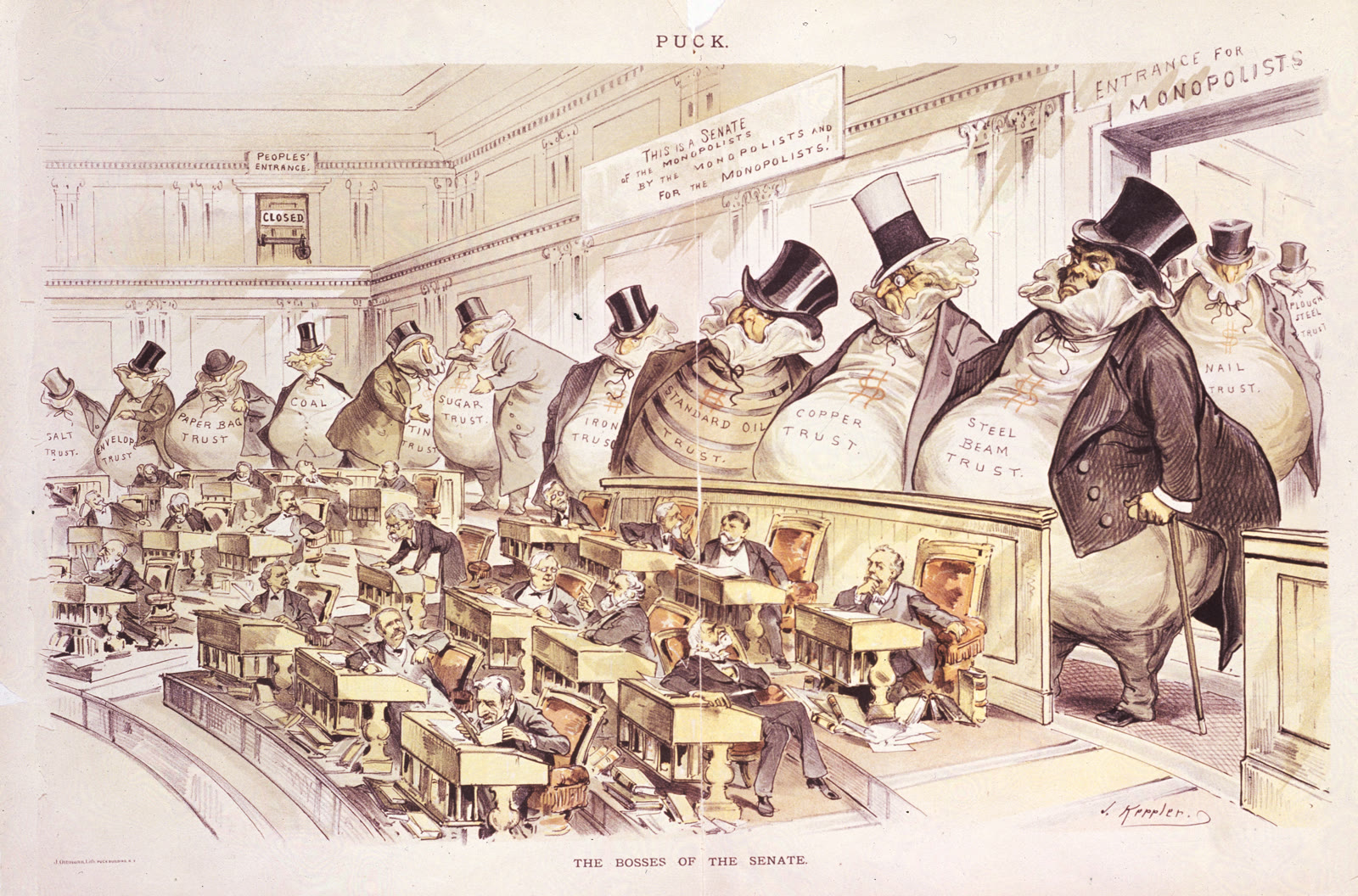

Seen here: the boys, minding the Senate, in 1889.*
*The people’s entrance was closed that day. It has not reopened.
The inventions, credited to the boys
-
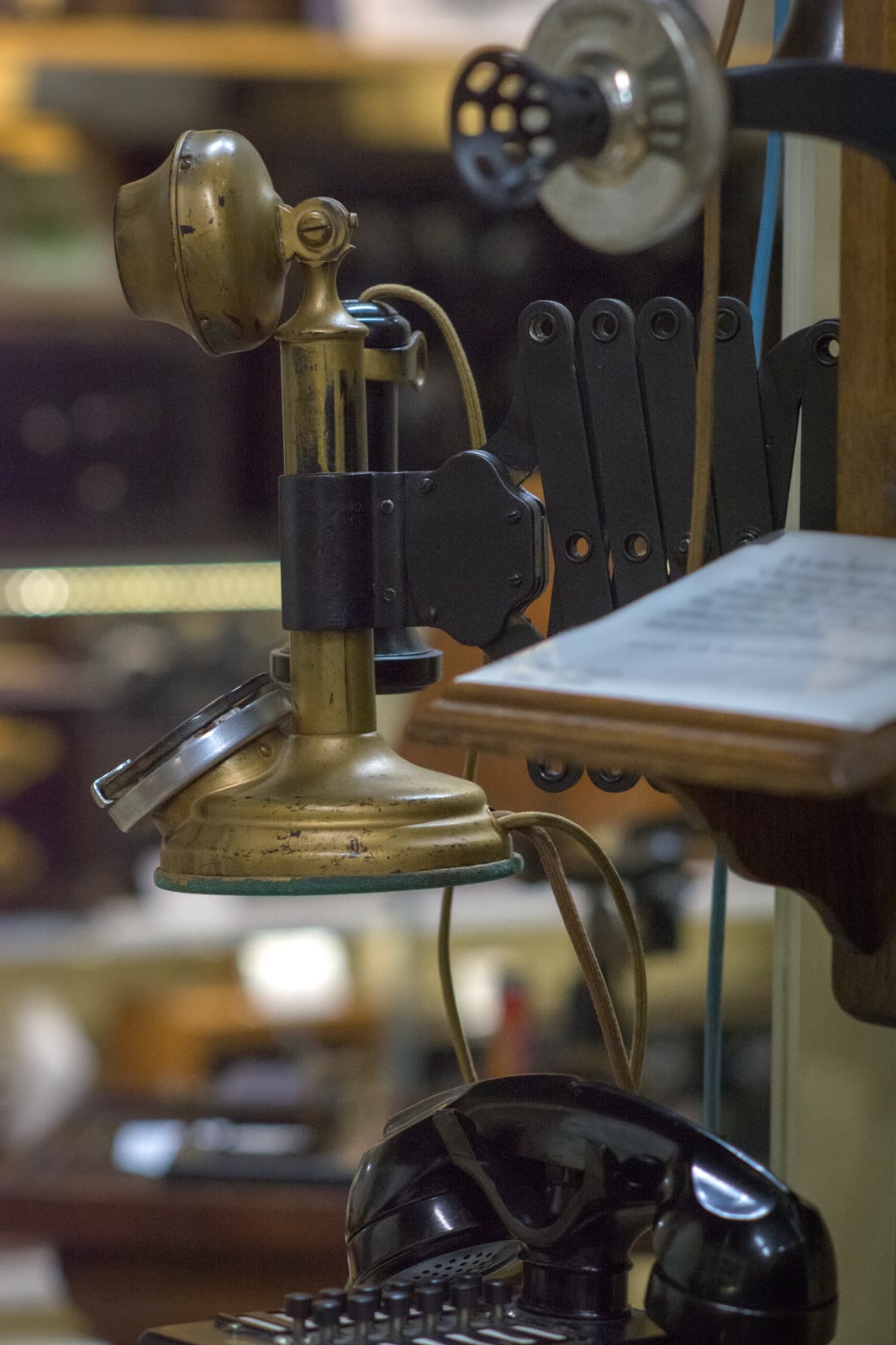
Photo: Ethan Long, a note blurred, CC BY-SA 2.0, via Wikimedia Commons The telephone, our direct line
Seen here: the direct line, ours, straight to the House.*
*It took another family’s genius to invent it, and ours to see what it was for. The company built on it has since been broken up, and the phones made after were a joke, but the line was never cut. The family still writes its laws through it, and someone in the House still picks up. The calls are collect.
For your convenience: a man in a bright shirt explains what we would rather not · The real answer
-
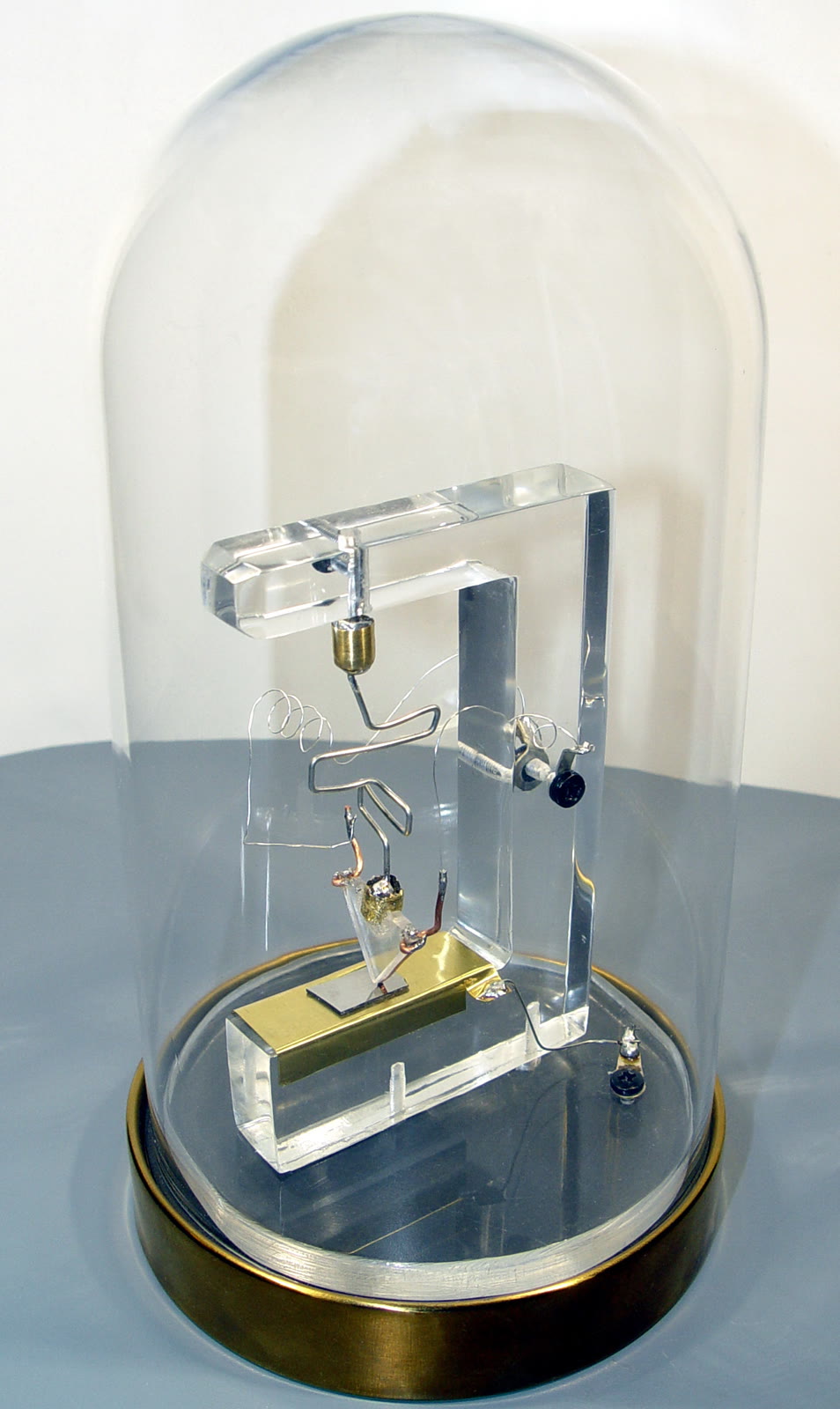
Photo: Mister rf, CC BY-SA 4.0, via Wikimedia Commons The transistor, how we downsized
Observe: the transistor, another gift from the family lab.*
*The researchers who made it were given an award, and have since died. The family was given the patent, and has not. It has made a great many dollars from it since, and needed a great many fewer people.
-
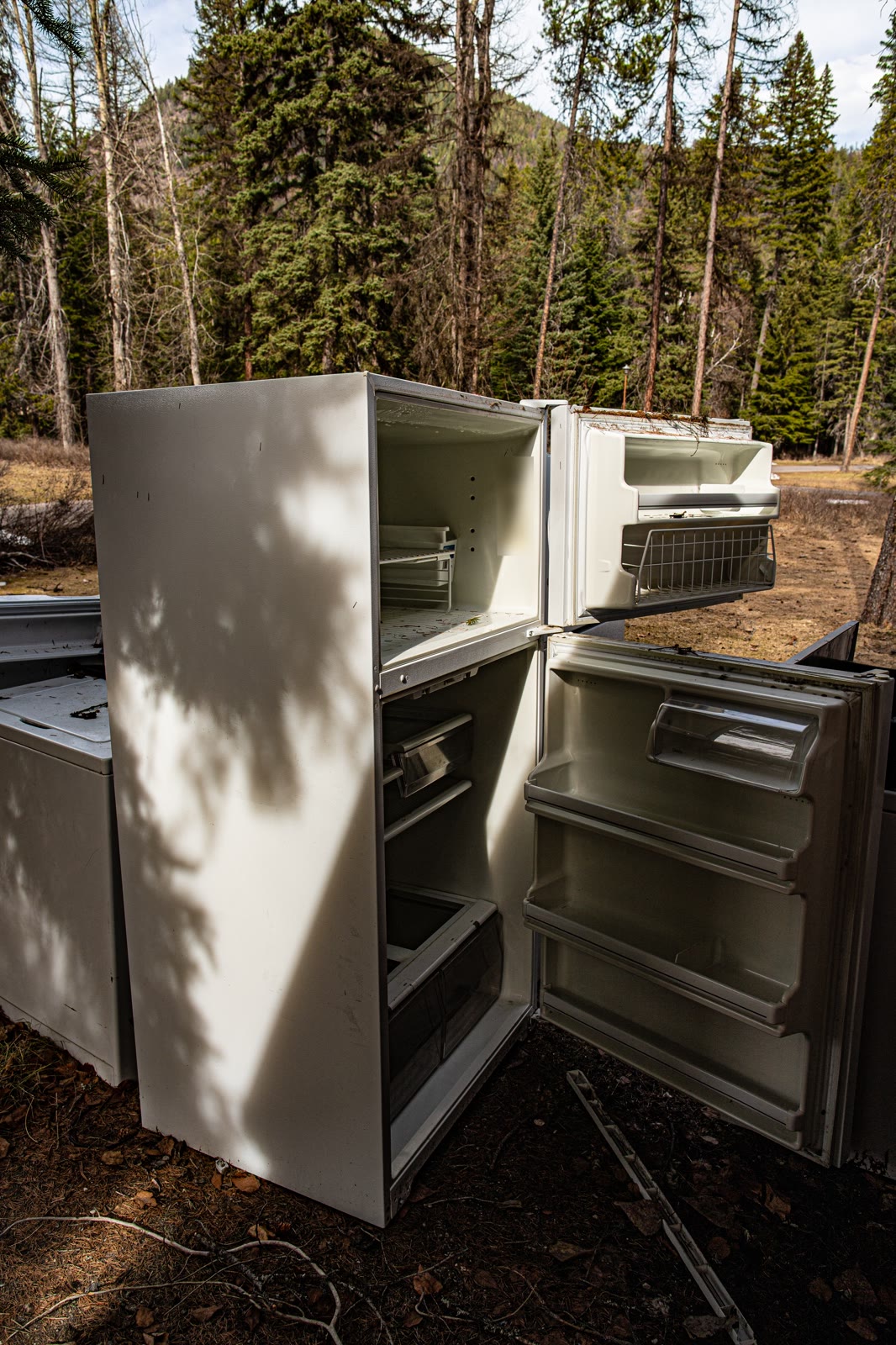
Photo: Glacier National Park, a label blurred, public domain, via Wikimedia Commons The refrigerator, how we keep cool
Seen here: the refrigerator, a marvel no one thinks about.*
*It keeps your groceries, from us, cold, and its refrigerant, sold for about sixty years, thinned the ozone layer. The man who made the refrigerant died in 1944; the profits outlived him by decades. When the scientists showed the damage, the family spent more than a decade disagreeing with them, then sold you the replacement, which warms the planet instead. The family kept its cool throughout. No one was held accountable.
For your convenience: a man in a bright shirt explains what we would rather not · The real answer


The trusts that followed
Every invention needs a family to own it, and every family needs a trust to hold it. The courts called them monopolies. We called them the family business.
- Standard Oil: the Rockefellers’ boys, who put the refineries in one trust by agreement in 1882.
- Northern Securities: the railroad boys, who held two competing lines in one company.
- The Beef Trust: the meatpacking boys, who agreed among themselves on the price of everyone’s dinner.
- American Tobacco: the cigarette boys, who rolled the whole trade into one company.
- The studios: the movie families, who made the pictures, then bought the theaters to show them in.
- The Bell System: Bell’s boys, with the direct line and, at the family lab, the transistor.
The real answer
- In 1904 the Supreme Court affirmed the decree against Northern Securities, the holding company over two competing railroads (193 U.S. 197).
- In 1905 it affirmed, with changes, the decree against the meatpackers’ combination (196 U.S. 375).
- On May 15, 1911, it affirmed the decree dissolving Standard Oil’s combination by the transfer of its stocks (221 U.S. 1).
- Two weeks later it held American Tobacco’s combination illegal and sent the case back for it to be undone (221 U.S. 106).
- In 1948 it ruled against the studios and sent back the question of selling their theaters (334 U.S. 131).
- In 1982 a federal court entered the antitrust decree that broke up the Bell System (47 U.S.C. § 152 note).
The ones the family won
Some years, the family won. Commerce succeeds to manufacture, the Court once said. The family succeeds to both.
The real answer
- In 1895 the Supreme Court held that refining sugar was manufacturing, not commerce, and left the Sugar Trust standing: “Commerce succeeds to manufacture, and is not a part of it” (156 U.S. 1).
- In 1920 it affirmed the lower court’s refusal to dissolve the steel trust (251 U.S. 417).